Expert Mold Remediation Tailored to Your Specific Needs
Breathe Easy: Experienced Mold Remediation Services for Your Property
Mold may present serious health risks, affecting respiratory function and dermatological issues. Understanding how mold penetrates homes is essential for homeowners. Professional mold remediation services offer a systematic approach to identify and remove these hazards. They provide expertise in assessing the scope of the issue and executing effective elimination strategies. However, identifying the indicators that indicate a need for such services is important. What should homeowners be informed of when it comes to mold remediation?
The Effect Mold Has on Your Health and Why Abatement Is Urgent
Mold can quietly infiltrate homes and workplaces, posing significant health risks for occupants. This fungus thrives in wet environments and releases spores that can be inhaled or contact skin. People exposed to mold may suffer a range of health effects, from respiratory issues and allergic reactions to more extreme conditions. Commonly reported symptoms include coughing, sneezing, and skin irritation, especially among those with existing health problems such as asthma or weakened immune systems.
Moreover, prolonged contact can result in persistent lung conditions and other serious health problems, increasing the requirement for efficient mold removal. Tackling mold issues quickly is essential not only for the health of residents but also for preserving property value and structural integrity. Consequently, professional mold remediation services are crucial in guaranteeing a safe, healthy living environment, minimizing the risks linked to mold exposure.
Signs You Need Professional Mold Removal
Recognizing the indicators of mold proliferation is vital for maintaining a healthy space. Obvious mold, lingering musty smells, and a history of water damage are clear signs that professional removal may be needed. Dealing with these issues rapidly can prevent further problems and safeguard overall well-being.
Obvious Mold Formation
Visible fungal presence commonly functions as a clear signpost that professional mold remediation is required. When homeowners observe mold on walls, ceilings, or other surfaces, it signals an underlying moisture issue that might lead to health risks and structural damage. Mold can present in various colors, including green, black, or white, and often has a fuzzy or slimy texture. Ignoring visible mold can intensify the problem, permitting spores to spread and complicating removal efforts. Professional mold remediation services possess the expertise to assess the extent of the growth, identify the source of moisture, and apply effective removal methods. Timely intervention is essential to ensure a safe and healthy living environment, making professional help an important factor when mold is evident.
Musty Odors Detected
The existence of musty odors in a home commonly indicates a hidden mold problem, even when no visible growth is detected. These unpleasant odors come from mold spores and their byproducts, which can survive in damp, hidden places such as behind walls or below flooring. Homeowners might disregard these odors as minor nuisances, but they may signal potential health risks, especially for those with allergies or respiratory conditions. Ignoring musty scents can result in more severe mold infestations, making remediation efforts more challenging in the future. Therefore, when such odors are identified, seeking professional mold remediation services is advisable. Experts can find the source of the smell, assess the problem’s magnitude, and provide effective solutions to reinstate a healthy living environment.
Water Damage History
When a home has a history of water damage, it often serves as a red flag for potential mold growth, even if no apparent signs are present. Water infiltration can arise from various sources, such as leaks, flooding, or failed plumbing. Over time, damp conditions create an environment where mold spores flourish. Homeowners should be watchful for signs like past water stains, warped flooring, or peeling paint, which suggest previous moisture issues. Professional mold remediation services are essential in these situations, as they can assess hidden mold growth and guarantee thorough removal. Ignoring a water damage history can lead to health risks and structural damage, making timely intervention critical for maintaining a safe living environment.
What to Expect During Mold Abatement Work
Mold removal solutions usually start with a thorough evaluation of the impacted spaces to determine the extent of the problem. Professionals will examine surfaces, moisture levels, and air quality, ensuring a full comprehension of the mold's presence. Following the assessment, the team will outline a tailored removal strategy that details the necessary steps to remove the mold effectively.
Once the plan is accepted, the remediation process involves isolating the contaminated areas to stop further spread. Technicians use advanced tools to remove mold and polluted substances securely. After removal, areas are cleaned and treated with antimicrobial agents to inhibit future development.
Finally, a meticulous review is undertaken to verify that all mold has been eradicated and that the setting is safe. Homeowners can be prepared to be given guidance for moisture control and preservation routines to help prevent recurrent mold problems, encouraging a more wholesome living space.
How Specialists Identify and Assess Mold Problems
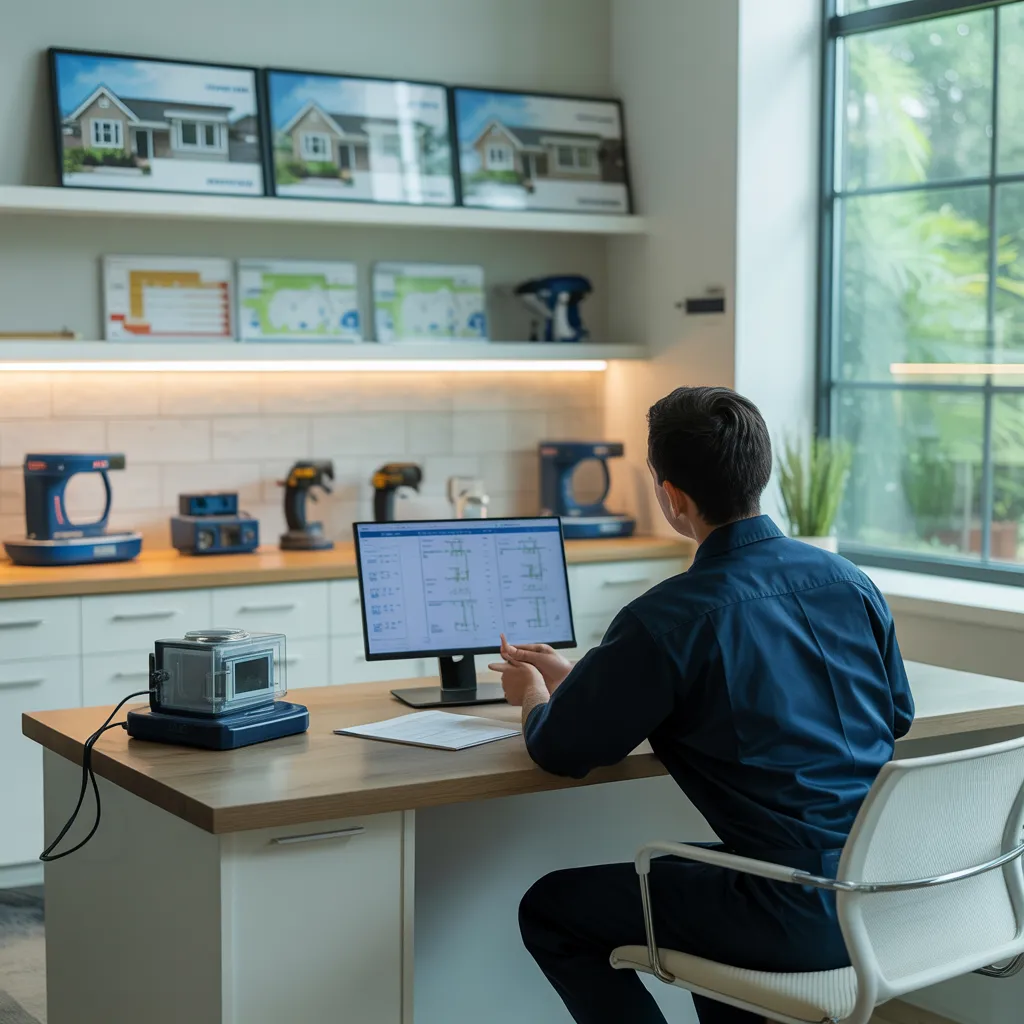
Professionals detect and evaluate mold issues through a mix of visual inspection techniques and air quality testing. Visual examinations allow them to locate visible mold evidence, while air quality tests provide essential information on mold particles found in the environment. This dual approach ensures a thorough understanding of the mold problem at hand.
Visual Analysis Processes
A detailed visual check is necessary for accurate detection and evaluation of mold issues in any environment. Specialists begin by scanning areas susceptible to moisture such as bathrooms, kitchens, and basements. They seek out apparent signs of mold presence, including spots on walls, ceilings, and floors. Inspectors also investigate behind furniture and appliances where mold might thrive unnoticed. Employing tools like moisture meters, they measure humidity levels, which can signal favorable conditions for mold growth. Furthermore, they frequently assess ventilation systems and look for leaks in plumbing and roofs. By performing an thorough assessment, professionals can effectively identify mold sources and determine the level of contamination, providing the basis for successful remediation methods.
Air Quality Evaluation
Air quality testing serves an essential role in identifying and evaluating mold concerns within indoor environments. Experts use dedicated equipment to gather air samples that are analyzed for mold spores and other allergens. This method helps determine both the type and concentration of mold present, supplying vital insights into possible health hazards. Furthermore, testing can uncover concealed mold sources that may be overlooked during a routine inspection. The results from air quality testing inform remediation plans, making sure that solutions target not only visible mold but also airborne spores. Through precise air quality evaluation, professionals improve overall indoor safety and well-being, ultimately creating healthier living spaces for occupants.
Essential Approaches Experts Employ for Optimal Fungal Removal
Using advanced techniques, mold remediation specialists tackle infestations with accuracy and care. One of the primary methods used is containment, where affected areas are closed off to stop spores from spreading during the removal process. Professionals often utilize HEPA filters in air purifiers and vacuums to capture microscopic spores effectively.
Furthermore, specialists may apply biocide treatments to disinfect and kill mold on surfaces. This is complemented by comprehensive sanitization and elimination of contaminated materials, such as drywall or carpeting. Professionals also utilize humidity management methods, locating and removing moisture origins that contribute to mold growth.
Thermal imaging and moisture meters are commonly used to identify concealed mold and moisture accumulation, ensuring comprehensive remediation. Finally, professionals often conduct post-treatment testing to verify the efficacy of their methods, ensuring a more secure environment for homeowners. These techniques collectively offer a systematic approach to effective mold removal.
Strategies to Avoid Upcoming Mold Development Through Remediation
Upon conclusion, homeowners can pursue proactive steps to avert further mold accumulation. Upholding preferred indoor humidity levels is critical; optimally, dampness should remain between 30% and 50%. Dwellers should regularly assess moisture-affected areas, such as basements, attics, and bathrooms, ensuring suitable air exchange and sealing any leaks expeditiously.
Additionally, employing dehumidifiers can help control moisture levels in high-humidity environments. Regular upkeep and cleaning of HVAC systems, including air filters, will keep mold spores from circulating throughout the home. Homeowners should also consider using mold-resistant materials during renovations.
Another successful tactic requires guaranteeing sufficient air movement by shifting furniture and using ventilation tools when required. Ultimately, maintaining surfaces moisture-resistant and immediately addressing accidents or water vapor will additionally cut down the threat of fungal comeback. By executing these proactive measures, homeowners can maintain a healthier living environment and markedly reduce the chances of subsequent fungal issues.
How to Pick a Mold Remediation Service?
How can property owners guarantee they select the best mold remediation service? First, they should locate firms with appropriate credentials and licenses, guaranteeing adherence to industry guidelines. Examining feedback and testimonials can deliver understanding into the service's reputation and effectiveness. Homeowners should also ask about the remediation procedure, encompassing the techniques and tools used, to confirm it aligns with best practices.
Furthermore, obtaining several estimates can help assess the market rate and identify any differences in service options. A trusted firm will conduct a thorough assessment before offering an estimate. It is vital to verify that the service includes a post-treatment inspection to ensure the mold has been effectively removed. Finally, homeowners should verify that the company provides a warranty for their work, offering peace of mind in case of future issues. By adhering to these guidelines, homeowners can determine the best options regarding mold remediation services.
Often Asked Questions
What Is the Standard Duration of the Mold Remediation Process?
The mold remediation procedure typically takes one to five days, based on the severity of the damage and the scale of the affected area. Factors such as drying time and required restoration can affect the timeline.
Will My Plan Pay for Mold Cleanup Costs?
Insurance coverage for mold remediation varies by policy and provider. Typically, explore this it may cover costs if mold stems from a covered event, like water-related damage. Policyholders should consult their insurer for detailed information regarding policy limits.
What Actions Should I Execute Before the Remediation Crew Gets There?
Before the remediation team shows up, the property owner should protect the area, remove valuables, document existing damage, and guarantee animals are relocated. Readying the space facilitates a smoother and more effective remediation process.
Do do-it-yourself mold remediation Methods function effectively?
DIY mold removal approaches can be fairly productive for small occurrences. However, they often lack the completeness required to fully eliminate mold and stop reoccurrence, making professional remediation a more reliable option for bigger or persistent problems.
Does Mold Come Back After Receiving Professional Cleanup?
Yes, fungus can return after expert remediation if root moisture issues are not addressed. Adequate ventilation, humidity control, and regular inspections are crucial to prevent recurrence and maintain a mold-free environment in the home.